Tour
Discover the breathtaking landscapes and trekking routes of Nepal. From the majestic Himalayas to lush valleys, Nepal offers unforgettable adventures for every traveler.
Everest Base Camp
Trek to the base of the world's highest peak through stunning Sherpa villages and dramatic mountain scenery.
Annapurna Circuit
A classic trek through diverse landscapes β from subtropical forests to arid highlands above 5,000 m.
Chitwan National Park
Explore the tropical wilderness, spot one-horned rhinos, Bengal tigers, and over 500 bird species.
First Week
Trace the route from Kathmandu into the Manaslu region. Click each stop to read about the day.
Day 1β2: Kathmandu
Your journey begins in Nepal's vibrant capital. Arrive at Tribhuvan International Airport and make your way to the bustling streets of Thamel.
Spend your first days acclimatizing and soaking in the city's rich history. Visit the sacred Swayambhunath (Monkey Temple) perched on a hilltop with panoramic valley views, and the magnificent Boudhanath Stupa, one of the largest spherical stupas in the world.
Wander through the narrow alleyways of old Kathmandu, try your first plate of momos from a street vendor, and prepare your gear for the trek ahead. In the evening, attend the trekking briefing and meet your fellow adventurers.
Day 3: Transition to a Remote Region
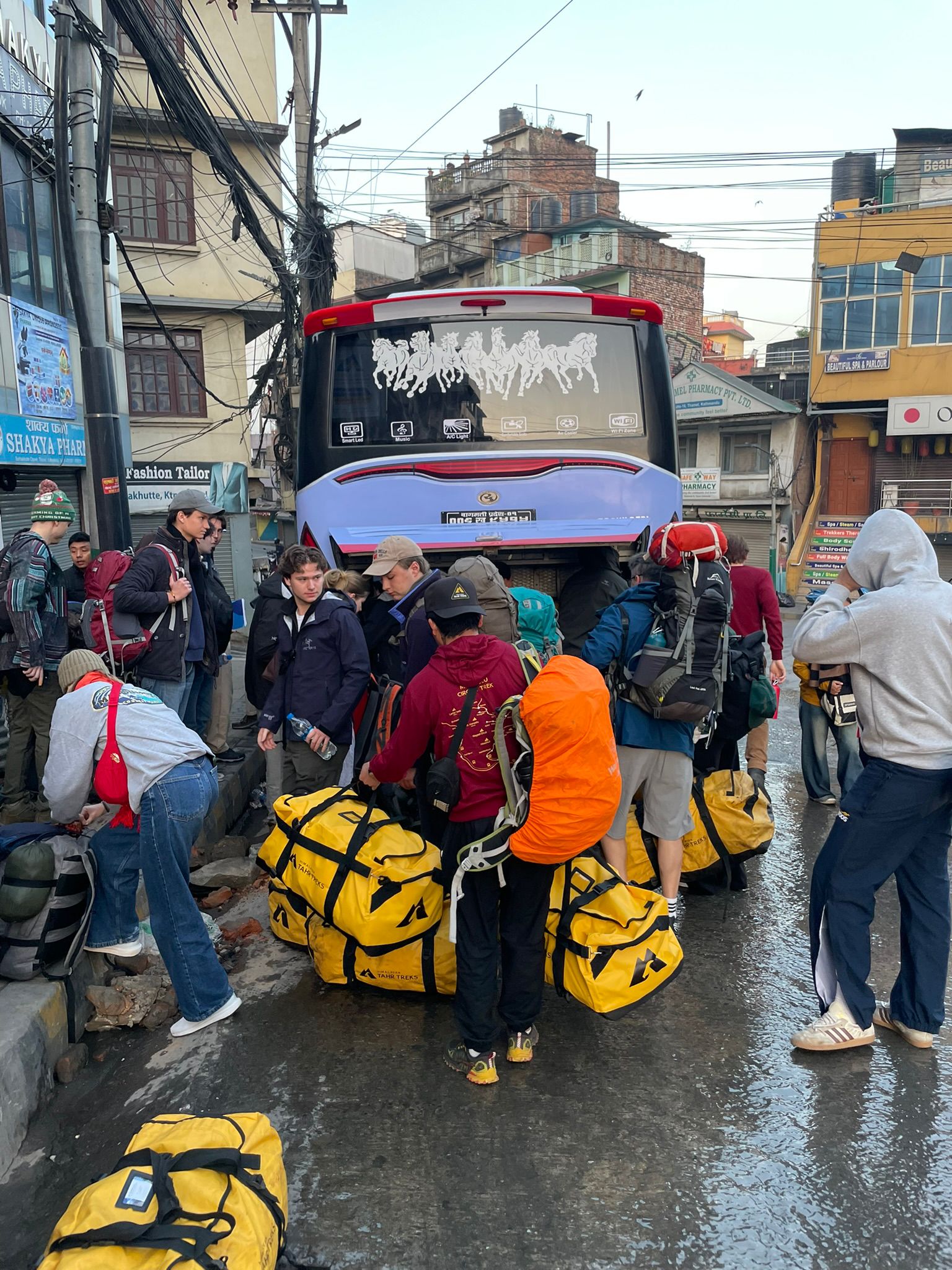
On the third day, we left the urban environment of Kathmandu and began our journey into more remote regions of Nepal. The day consisted of a six-hour bus ride, with a lot of beautiful views and exciting surroundings.
This was followed by a two-and-a-half-hour jeep ride on uneven and challenging terrain. As we progressed, the infrastructure became increasingly limited, and the surroundings more rural.
Upon arrival, it became evident how isolated this region is. Accommodation and living conditions were simple, reflecting the realities of daily life in this area. This day marked a transition, as we prepared to continue our journey on foot from the following day onward.
Day 4: Jagat β Deng
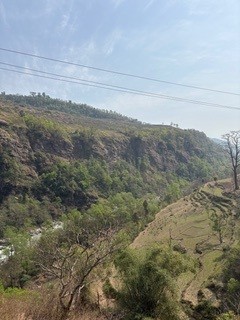
The trail from Jagat climbs steadily through a narrowing gorge. You'll cross multiple bridges as the Budhi Gandaki carves dramatic cliffs on both sides.
Pass through the villages of Philim and Ekle Bhatti, where Tibetan influence begins to appear β prayer flags flutter, mani walls line the path, and the architecture shifts to flat-roofed stone buildings.
Reach Deng, a tiny settlement tucked in a steep valley. The landscape is increasingly dramatic with waterfalls cascading down from the heights above. Tonight, enjoy the solitude β Deng sees fewer trekkers than the main Annapurna routes.
Day 5: Deng β Ghap
Today's trek follows the river deeper into the Manaslu Conservation Area. The valley broadens and the first views of snow-capped peaks emerge through the clouds.
The forest transitions from subtropical to temperate β rhododendrons, pines, and bamboo surround the trail. Keep your eyes open for langur monkeys and colorful Himalayan birds.
Arrive in Ghap, a beautiful village at the confluence of two rivers. A large prayer wheel marks the entrance. The teahouses here are cozy, and you can explore the ancient gompa (monastery) before dinner.
Day 6β7: Lama School at Ghap
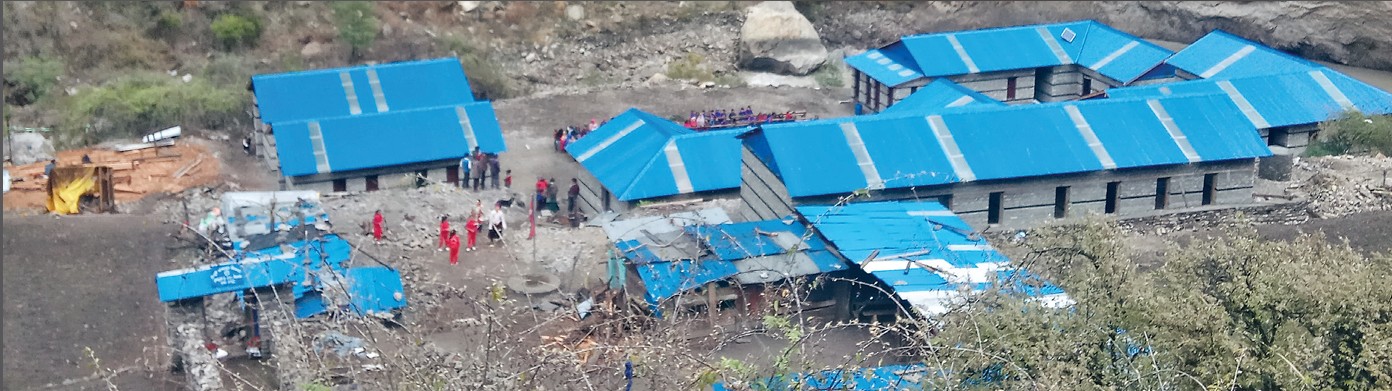
Take a well-earned rest day and visit the Lama School just above Ghap. This Buddhist monastery school serves as both a religious center and an education facility for young monks from the surrounding villages.
Observe morning prayer chanting, explore the colorful murals depicting the life of Buddha, and share tea with the monks. If invited, you may sit in on a teaching session β an intimate glimpse into Tibetan Buddhist education.
Use the second day for acclimatization hikes to nearby viewpoints. The panoramic vistas of Manaslu (8,163 m) and the surrounding peaks are breathtaking. Return to Ghap feeling rested and ready for Week 2's high-altitude adventures.
Second Week
The return journey β descending from the Lama School back through the valley to Kathmandu. Click each stop to read about the day.
Day 8: Lama School β Departure
Wake early to the sound of monks chanting. Attend one last morning prayer session and say farewell to the Lama School community. The monks offer you khata (white scarves) as a blessing for safe travels.
Pack your bags and take in the panoramic views of Manaslu (8,163 m) one last time. The descent begins β retracing your steps along the Budhi Gandaki, but this time the views are entirely different looking downhill.
The trail drops steeply through rhododendron forest. You'll feel the air thickening and warming as you lose altitude rapidly.
Day 9: Lama School β Ghap
A short and relaxed descent back to Ghap. The downhill trail is gentler than you remember β gravity is your friend today.
Stop at the ancient gompa at the village entrance for a final visit. The prayer wheel spins as village children wave hello. This is a different Ghap than the one you arrived at exhausted days ago β now you see the details: carved window frames, colorful murals, and drying yak cheese on rooftops.
Enjoy a long lunch at your favorite teahouse. The dal bhat tastes even better after days at altitude. Spend the afternoon resting and journaling.
Day 10β11: Ghap β Deng
The descent from Ghap to Deng follows the widening Budhi Gandaki valley. Waterfalls that were frozen on your ascent now cascade freely. The subtropical warmth returns.
Cross the same suspension bridges, but this time pause to watch the turquoise river far below. The gorge is spectacular from this direction β the morning light catches the mist rising from the rapids.
Arrive in Deng and celebrate with a well-earned Everest beer at the teahouse. Share stories with trekkers heading uphill, offering tips and encouragement for the climb ahead.
Day 12: Deng β Jagat
The long descent to Jagat takes you back through the narrowing gorge. Prayer flags mark the trail as Tibetan influence gradually fades and Hindu villages reappear.
Pass through Philim again β this time stop to buy hand-knitted yak wool scarves from a local women's cooperative. The terraced rice paddies glisten in the afternoon sun.
Reach Jagat as the day cools. The familiar stone houses and slate roofs feel like coming home. One last night sleeping to the sound of the Budhi Gandaki before the final push to civilization.
Day 13β14: Jagat β Kathmandu
Trek down from Jagat to the road head at Arughat. The trail flattens through banana groves and rice fields β a world away from the snow peaks behind you.
Board a jeep for the winding drive back along the Prithvi Highway to Kathmandu. Watch the landscape shift from rural hills to the busy outskirts of the capital.
Back in Thamel, celebrate the completed trek with your group over a farewell dinner. Momos, dal bhat, and cold drinks. Exchange contact details, compare photos, and reflect on two unforgettable weeks in the Himalayas. You made it! π
Culture
Nepal is a melting pot of traditions, festivals, and ancient heritage. Experience the warmth of Nepali hospitality and centuries-old customs.
Festivals
Dashain, Tihar, and Holi β Nepal celebrates dozens of vibrant festivals throughout the year with music, dance, and color.
Temples & Heritage
Explore UNESCO World Heritage Sites like Pashupatinath, Boudhanath Stupa, and the ancient Durbar Squares.
Cuisine
Taste the flavors of Nepal β from hearty dal bhat to spicy momos and traditional Newari feasts.
Food
Nepali cuisine is a delicious blend of flavors influenced by Indian, Tibetan, and Southeast Asian traditions.
Dal Bhat
The national staple β lentil soup served with rice, vegetables, pickles, and often meat. Eaten twice a day by most Nepalis.
Momos
Steamed or fried dumplings filled with spiced meat or vegetables, served with fiery tomato chutney.
Newari Cuisine
A rich culinary tradition featuring choyla (spiced grilled meat), yomari (sweet dumplings), and chatamari (rice crepes).
Places
Nepal's cultural landscape is dotted with ancient cities, sacred sites, and architectural wonders spanning centuries.
Kathmandu Durbar Square
A UNESCO site filled with palaces, temples, and courtyards showcasing exquisite Newari architecture.
Bhaktapur
An ancient city preserved in time β cobblestone streets, pottery squares, and the famous 55-Window Palace.
Lumbini
The birthplace of Lord Buddha. A sacred pilgrimage site with monasteries built by nations from around the world.
Culture Norms
Understanding local customs and etiquette will enrich your experience and show respect for Nepali traditions.
Namaste
The traditional greeting β press your palms together and bow slightly. It's used for hello, goodbye, and thank you.
Temple Etiquette
Remove shoes before entering temples. Walk clockwise around stupas and Buddhist monuments. Ask before photographing.
Dress & Conduct
Dress modestly, especially at religious sites. Use your right hand for giving and receiving. Avoid pointing feet at people or shrines.
Info
Everything you need to know before traveling to Nepal. Prepare for an incredible journey with these essential details.
Getting There
Tribhuvan International Airport (KTM) in Kathmandu is the main gateway. Visa on arrival is available for most nationalities.
Best Time to Visit
OctoberβNovember (autumn) and MarchβMay (spring) offer the best weather for trekking and sightseeing.
Useful Tips
Currency: Nepali Rupee (NPR). Language: Nepali. Time zone: UTC+5:45. Electricity: 230V, 50Hz.